Learning
Understanding something well enough to explain it
A small practice for turning a familiar idea into something you can actually use.

Reading an explanation and being able to produce one are different experiences. A page can feel perfectly clear until the moment you close it and try to reconstruct the argument.
That gap can be useful. It points to the part that needs another example, another experiment, or simply a more precise question.
Start with a small example
A definition often becomes easier to work with when it has somewhere concrete to land. Pick the smallest example that still contains the interesting behavior. Write down the input, predict the output, and check the result.
This is another example
For a piece of code, three elements can be more instructive than three thousand.

Photo: Catalogingcsusb1 · License · Resized for the web.
For a model, a tiny batch can make a shape mismatch obvious. The goal is to reduce the number of things competing for attention.
values = [2, 4, 6]
mean = sum(values) / len(values)
centered = [value - mean for value in values]
There is very little machinery here. That leaves space to ask what changes, what stays the same, and why.
Explain the transition
An explanation is more useful when it connects two steps than when it simply names both of them. Try writing one sentence that says why the next step follows.
If the explanation needs the word “obviously,” that may be a good place to slow down.
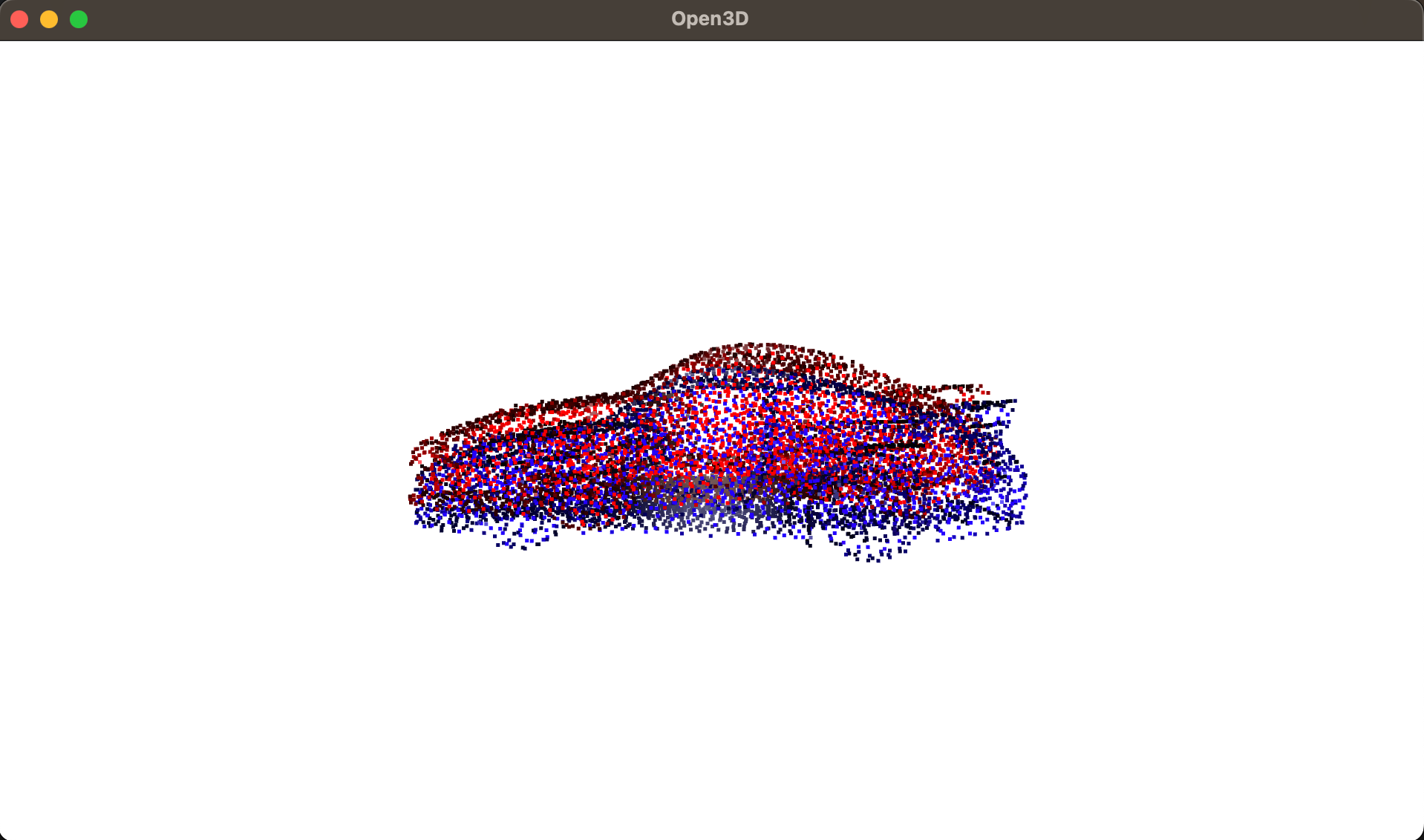
An unfinished explanation is still a helpful note. Leave the exact question beside it, rather than replacing uncertainty with a sentence that only sounds confident.
Keep the part that changed your understanding
A note does not need to reproduce an entire lecture. A tiny worked example, one incorrect assumption, and the observation that corrected it can be enough.
The useful artifact is something you can return to later and use to rebuild the idea.